You are attested as an Institutional Investor, but this page is intended for a Borrower.
You are attested as a Financial Advisor / Intermediary, but this page is intended a Borrower.
You are attested as an Individual Investor, but this page is intended for a Borrower.


Continuation vehicles (CVs) have transitioned from a niche liquidity solution to a cornerstone of private market strategy. Initially associated with legacy assets, CVs now enable GPs to extend ownership of high-performing companies while offering LPs flexible exit options. This evolution reflects broader market dynamics, disrupted exit environments, heightened liquidity needs, and the pursuit of long-term value creation. In 2025, global GP-led transaction volumes reached $115 billion, a 53% increase from the year-ago.1
In this article we explore how CVs are reshaping secondaries across equity and credit markets and what institutional investors should consider when evaluating these transactions. Beyond the mechanics, we examine the strategic implications for portfolio construction, liquidity planning, and risk management. There are many nuances to a secondaries transaction and being able to grasp them fully and structure a deal that works for both buyer and seller is of paramount importance.

Key Themes Shaping the CV Landscape


-
 The Rise of Continuation Vehicles in Private Credit Alex Stuart explores how continuation vehicles are reshaping private credit, enabling managers to retain high‑quality assets while providing investors with access to seasoned loan portfolios at attractive valuations.
 -
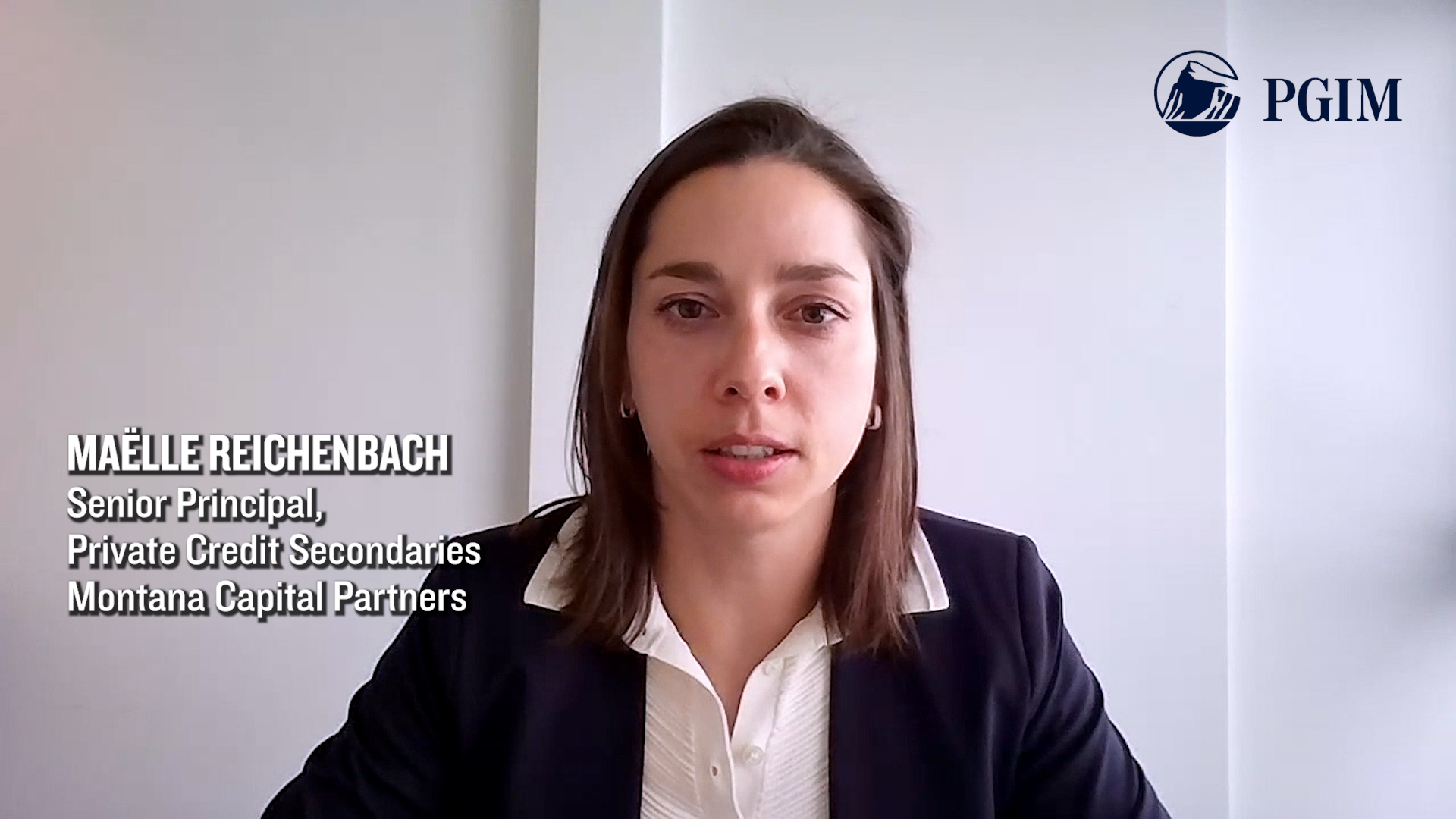 The Next Phase for Continuation Vehicles Maelle Reichenbach outlines how continuation vehicles have moved into the mainstream, offering flexibility to managers and investors while driving the next phase of growth in secondaries.
Up Next
Footnotes:
1 Jefferies, H1 2025 Global Secondary Market Review, July 2025
2 Evercore Private Capital Advisory, “FY 2024 Secondary Market Review” (February 2025) and Evercore Private Capital Advisory, “H1 2025 Secondary Market Review” ( July 2025), Evercore Private Capital Advisory, “H1 2025 Secondary Market Review” ( July 2025). Dry powder, June 2025.
You May Also Like
-
The Year AheadPGIM’s 2026 Outlook and Best Ideas assess the impact of key themes across global economies and markets and highlight where we believe investors will find promising opportunities.
Read More
-
The Case for Private Credit SecondariesPrivate credit secondaries are becoming increasingly valuable to CIOs as a strategic portfolio management solution that enables them to fine tune credit exposures as market dynamics evolve.
Read More
-
Press ReleasePGIM announces strategic expansion into private credit secondariesThe new platform combines PGIM’s decades of experience in private credit and private equity secondaries.
Read More